
The Serious Impact of Plastic Bottles on Marine Life
Many people underestimate the damage caused by casual plastic bottle disposal. Unlike paper or food waste, plastic cannot biodegrade naturally. It only breaks down into tiny microplastics under seawater erosion, sunlight, and wave impact. These invisible microplastics have permanently invaded the entire marine food chain.
Countless marine animals, including turtles, dolphins, seabirds, and fish, mistake floating plastic bottles and plastic fragments for food. Many sea turtles choke to death after swallowing plastic bottle fragments, while seabirds starve with stomachs full of non-degradable plastic waste. Even small fish absorb microplastics, which eventually enter the human body through the food chain, forming a harmful ecological cycle.
In addition, abandoned plastic bottles floating on the sea surface block sunlight from reaching underwater plants, destroy coral growth environments, and damage the natural balance of seawater. Long-term plastic pollution has led to reduced marine biodiversity and increasingly severe ocean ecological degradation.
Why Single-Use Plastic Bottles Are Not Environmentally Friendly
Many consumers think plastic bottles are recyclable and harmless, but the real situation is far worse. According to global environmental data, less than 10% of plastic bottles are actually recycled. Most plastic waste is buried in landfills or flows into rivers and finally converges into the ocean.
Moreover, the production process of plastic bottles also consumes massive fossil fuels and water resources. From plastic particle production, bottle blowing molding to transportation, every link produces carbon emissions that accelerate global warming. Using disposable plastic bottles not only pollutes the ocean but also increases the burden of global carbon neutrality.
Single-use plastic bottles are designed for one-time use, but their pollution lasts for hundreds of years. This extremely unequal environmental cost makes them one of the most unnecessary pollutants in modern life.
Practical Ways to Protect the Ocean by Reducing Plastic Waste
Ocean protection does not require grand actions. Small daily changes can greatly reduce marine plastic pollution. The most effective and easiest way for everyone is to completely replace single-use plastic bottles with reusable water containers.
1. Use Reusable Insulated Water Bottles
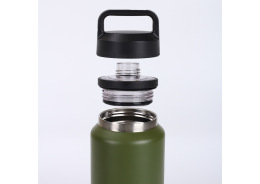
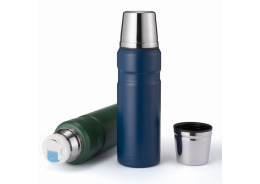
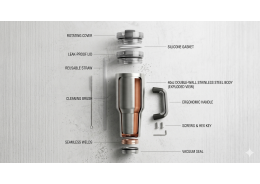
High-quality reusable insulated water bottles are the best alternative to disposable plastic bottles. Made of food-grade stainless steel, these durable bottles can be used for years without producing plastic waste. They are safe, non-toxic, and do not release microplastics during use.
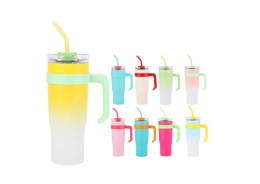
Different from plastic bottles that easily produce harmful substances under high temperature, stainless steel insulated bottles can hold hot water, coffee, and tea safely. They are suitable for daily commuting, outdoor sports, travel, and school use, perfectly meeting all daily drinking needs while achieving zero plastic waste.
2. Develop Good Water Drinking Habits
Avoid buying bottled mineral water and beverages in daily life. Prepare drinking water in advance and carry your own reusable water bottle when going out. For office workers and students, insisting on using personal water containers can reduce dozens of plastic bottle wastes every month.
In addition, try to choose environmentally friendly packaging when purchasing drinks, and avoid disposable plastic cups and plastic lids as much as possible. Every refusal of single-use plastic is a protection for the ocean.
3. Support Environmental Recycling and Low-Carbon Concepts
Classify household waste strictly and recycle waste plastic products correctly to prevent random discarding. Meanwhile, support environmentally friendly brands that advocate sustainable production and choose reusable and recyclable daily products.
Spread ocean protection knowledge and advocate relatives and friends to reduce plastic use. The power of collective environmental awareness can effectively slow down ocean pollution.

 English
 German
 French
 Russian
 Spanish
 Japanese
 Korean
 Portuguese
 Ukrainian
 Arabic
 Italian